All Regarding Meat Markets: Comprehending Their Function in Supporting Regional Farmers
Meat markets offer an important feature in local economic climates by linking the gap between farmers and consumers. They offer a direct sales network that enhances the quality and quality of meat items. Past comfort, these markets play a substantial function in promoting lasting agriculture and supporting the incomes of neighborhood farmers. The effects of this connection expand better than one could anticipate, increasing concerns about sourcing methods and customer selections.
The Value of Meat Markets in Local Economic Situations
Usually overlooked, meat markets play a vital duty in reinforcing local economies by sustaining farmers and generating tasks. These facilities act as vital intermediaries, providing a system for regional manufacturers to market their products straight to consumers. By buying locally sourced meat, customers add to the sustainability of close-by farms, ensuring their feasibility and advertising farming diversity.
Meat markets develop work possibilities, varying from butchers and sales personnel to management and logistics functions. This work development stimulates the neighborhood economic climate, fostering a sense of area as homeowners involve with their neighborhood companies.
In addition, meat markets commonly attract customers who look for top notch, fresh items, which can lead to enhanced foot traffic and sales for surrounding organizations. Overall, the visibility of meat markets can greatly boost regional economic health and wellness, strengthening links in between agriculture and neighborhood well-being while sustaining the incomes of farmers.

Attaching Farmers and Customers: Just how Meat Markets Run
Meat markets act as essential hubs that link neighborhood farmers straight with customers, facilitating a streamlined supply chain that benefits both parties. By sourcing products from nearby ranches, these markets assure that consumers receive fresh, high-grade meat while sustaining local agriculture. The operation of meat markets includes developing connections with farmers, typically enabling them to showcase their products and share their farming methods.
Consequently, customers get accessibility to a varied choice of meats that reflect regional tastes and choices. Openness is a vital element of these markets, as consumers are often offered with info regarding the handling and sourcing of the meat. This direct link fosters trust and commitment in between farmers and customers, boosting community connections. Furthermore, meat markets frequently take part in promotional tasks, such as farm-to-table events, which additionally enhance the customer's experience and recognition of regional farming methods.
Advertising Lasting Agriculture Practices
Advertising sustainable farming methods is important for the future of food production and environmental wellness. By concentrating on honest farming strategies, encouraging biodiversity, and supporting for neighborhood and seasonal sourcing, the agricultural sector can substantially lower its ecological impact. These methods not only support the community but also foster a healthier connection in between consumers and farmers.
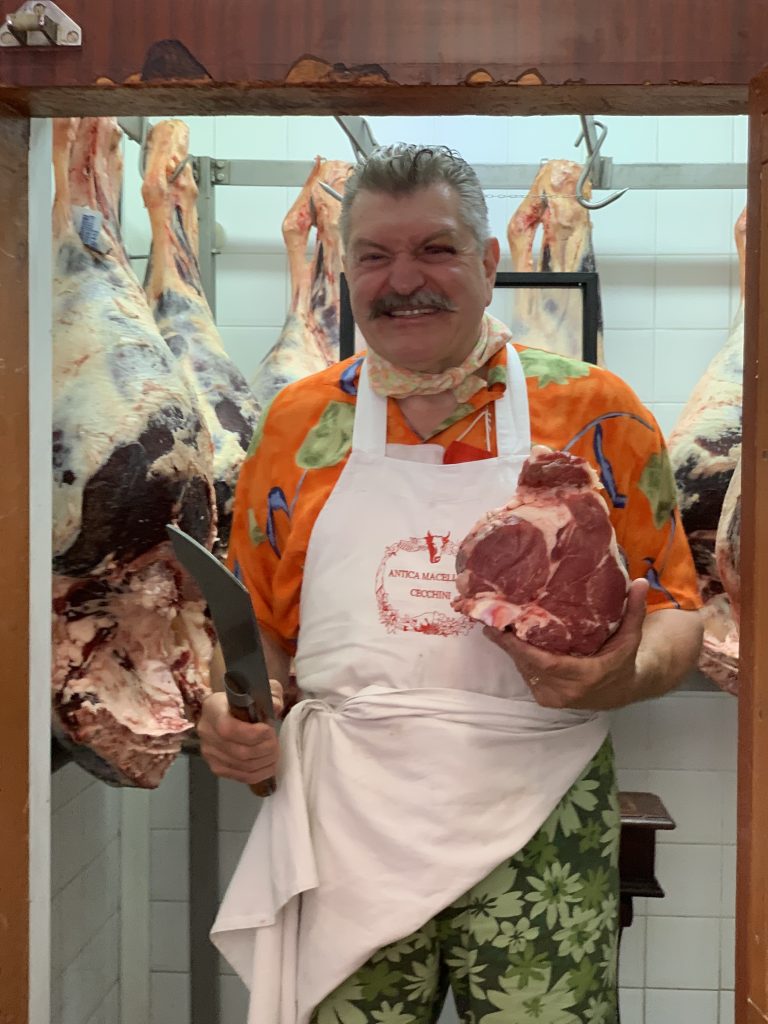
Moral Farming Techniques
An expanding variety of farmers are taking on honest farming strategies to enhance sustainability and lower environmental influence. These methods concentrate on responsible land management, decreasing the usage of chemical plant foods and pesticides, and accepting organic techniques. Techniques such as plant rotation, cover chopping, and agroforestry not only enhance soil health yet likewise promote biodiversity. In addition, farmers are increasingly focusing on pet well-being by giving pasture-based systems and minimizing arrest techniques. By focusing on neighborhood sources and area engagement, moral farming fosters a resilient farming system. This change not just profits the environment but also reinforces the connection between farmers and consumers, encouraging notified acquiring choices that support lasting techniques. Ultimately, these methods serve to produce a more lasting future for farming.

Biodiversity and Community Health
While many agricultural techniques have actually historically prioritized yield over environmental equilibrium, a growing acknowledgment of biodiversity's value has arised among farmers and consumers alike. Biodiversity enhances ecosystem durability, supporting dirt health and wellness, parasite control, and pollination. By integrating varied crops and livestock, farmers can produce much more secure environments that decrease dependence on chemical inputs and improve total productivity. Lasting farming techniques that promote biodiversity not only secure all-natural habitats yet also add to the lasting practicality of farming. Meat markets play an important duty in this standard change by supporting for local products that prioritize environmental wellness. By choosing to source from ranches that welcome biodiversity, consumers can sustain techniques that ensure a lasting future for agriculture and the atmosphere.
Regional and seasonal Sourcing
Seasonal and neighborhood sourcing not only boosts the quality of food however likewise supports lasting farming practices that profit both consumers and farmers. By prioritizing regional meat markets, consumers can connect directly with farmers, fostering a feeling of neighborhood and trust. This design decreases the carbon impact related to long-distance transport, promoting ecological sustainability. Farmers advantage from more secure incomes and a reputable market for their items, which motivates responsible farming methods. Furthermore, seasonal sourcing encourages varied agricultural methods, permitting farmers to rotate crops and animals, thus maintaining soil health and biodiversity. Generally, this approach develops a more resilient food system that lines up with the values of neighborhood, sustainability, and high quality assistance, strengthening the important link in between customers and local agricultural systems.
The Duty of Transparency in Sourcing Meat
What aspects contribute to customer rely on meat products? Openness in sourcing is a vital element. Customers increasingly inquire concerning where their meat comes from, consisting of the techniques and ranches involved in elevating the animals. Meat markets that prioritize transparency frequently present clear labeling, detailing the resource and production approaches used. This openness cultivates confidence and permits consumers to make educated options.
Additionally, transparent practices can include farm brows through, partnerships with regional farmers, and sharing tales butcher meat packs concerning the pets and their environments. As consumers come to be a lot more informed regarding food sourcing, they tend to choose meat items from providers who loom with details. This demand for openness not only enhances customer trust fund but additionally motivates meat markets to develop moral relationships with neighborhood farmers. Eventually, transparency supports a cycle of responsibility, benefiting both customers and producers in the meat market.
Supporting Animal Welfare With Resident Sourcing
Sustaining pet well-being via local sourcing depend upon the adoption of moral farming techniques. By prioritizing transparency in sourcing, consumers can make informed options that reflect their worths. In addition, area interaction initiatives foster a stronger link between consumers and farmers, enhancing the general commitment to gentle treatment of pets.
Moral Farming Practices
While customers increasingly prioritize moral considerations in their food options, regional sourcing offers a sensible path to sustaining pet welfare. Honest farming techniques stress gentle treatment of pets, ensuring they have sufficient room, appropriate nourishment, and accessibility to outside atmospheres. Local ranches commonly comply with these standards, as they are more accountable to their communities and clients. By selecting to resource meat locally, consumers can support farms that prioritize lasting and humane methods over industrialized approaches, which commonly jeopardize animal wellness. This connection fosters a much deeper understanding of food manufacturing and encourages liable usage. Eventually, local sourcing encourages customers to make informed selections that align with their worths regarding ethical therapy of pets in the food industry.
Openness in Sourcing
Exactly how can openness in sourcing boost customer count on local meat markets? By providing clear details regarding the beginnings of their products, regional meat markets promote a sense of responsibility and honesty. When consumers comprehend the sourcing methods, including the treatment of pets and farming techniques, they are more probable to feel great in their getting decisions. This transparency enables consumers to straighten their values with business they support, understanding they are adding to moral animal well-being and sustainable practices. In enhancement, regional meat markets can showcase collaborations with close-by farms, highlighting area assistance and strengthening a favorable connection between customers and producers. Inevitably, transparency in sourcing not just builds count on yet also urges educated choices amongst customers.
Neighborhood Engagement Initiatives
What function do community engagement campaigns play in advertising animal well-being with neighborhood sourcing? These efforts considerably improve understanding and understanding of ethical farming techniques among consumers. By cultivating links in between neighborhood farmers and community participants, meat markets can highlight the importance of gentle therapy of pets. Educational workshops and ranch excursions permit consumers to witness firsthand the problems under which animals are elevated, reinforcing the value of local sourcing. Additionally, community occasions, such as farm-to-table dinners, highlight the connection in between animal welfare and lasting methods. Via these engagements, customers create count on neighborhood meat markets, motivating them to sustain honest promoting a society and sourcing of responsible usage that focuses on pet well-being in the neighborhood.
Wellness Perks of Deciding On Local Meat Products
Choosing regional meat items uses various health benefits that can greatly boost general health (meat market delivery). One substantial benefit is the reduced time in between farm and table, which usually causes fresher meat with greater dietary value. Local meats tend to be without hazardous chemicals and additives frequently located in factory-farmed options, adding to a cleaner diet plan
Additionally, local farmers typically focus on humane and sustainable practices, resulting in much healthier pets that generate better-quality meat. Grass-fed and pasture-raised animals, often found in neighborhood markets, generally have greater levels of omega-3 fats and reduced levels of hydrogenated fats compared to their feedlot equivalents.
Supporting regional meat items cultivates area health and wellness by making certain that customers have access to safe and sensibly sourced food. By picking neighborhood, individuals not only nourish themselves but additionally page add to the wellness of their neighborhood and environment.
Making Enlightened Selections at the Meat Market
When top article going across a meat market, recognizing the key factors that influence top quality and sourcing can equip customers to make informed choices. Customers ought to focus on neighborhood items, which often originate from farms with sustainable practices. Acknowledging labels such as "grass-fed" or "organic" can likewise direct decisions, as these usually suggest greater welfare requirements and dietary advantages.
Involving with the butcher is vital; educated personnel can give insights into the sourcing of their meats and suggest cuts that match different cooking methods. Customers are encouraged to ask about the farm's techniques, consisting of animal treatment and feed.
Furthermore, taking a look at the meat's color and texture can expose quality and high quality. Lean cuts ought to show up brilliant and damp, while fatty cuts must have a marbled look. By integrating these methods, consumers can with confidence choose meats that align with their values and support regional farming.
Often Asked Inquiries
What Kinds of Meat Are Most Commonly Cost Local Meat Markets?
Local meat markets normally supply a variety of meats, including beef, poultry, pork, and lamb. These establishments often include specialty cuts, sausages, and locally sourced products, dealing with diverse cooking choices and customer demands.
Just How Can I Find a Meat Market Near My Area?
To discover a meat market nearby, one can use online maps, online search engine, or neighborhood directories - bagleys edwardsville il. In addition, asking neighbors or good friends for suggestions frequently generates beneficial insights into the finest local alternatives readily available
Are There Seasonal Variations in Meat Availability at Meat Markets?
Seasonal variants in meat accessibility at meat markets usually happen, influenced by aspects such as neighborhood farming practices, pet reproduction cycles, and seasonal need. This can impact the kinds and amounts of meat supplied throughout the year.
Do Meat Markets Offer Special Promotions or Price Cuts for Mass Purchases?
Meat markets commonly provide special promos and discounts for bulk acquisitions. This practice motivates consumers to buy larger quantities while enabling the markets to take care of supply properly, profiting both customers and the company monetarily.
Can I Ask For Details Cuts of Meat at the Market?
Yes, customers can typically ask for details cuts of meat at the market. Many butchers agree to fit special orders, ensuring that patrons obtain the precise cuts they desire, tailored to their choices.
By sourcing products from close-by farms, these markets ensure that customers get fresh, high-grade meat while supporting regional farming. By prioritizing local meat markets, consumers can attach directly with farmers, fostering a sense of neighborhood and trust. Just how can transparency in sourcing improve consumer depend on in neighborhood meat markets? Regional meat markets typically provide a selection of meats, consisting of beef, hen, lamb, and pork. Seasonal variants in meat schedule at meat markets usually happen, affected by variables such as local farming techniques, animal reproduction cycles, and seasonal need.
Comments on “The way meat stores near me enhance access to high-quality local meats.”